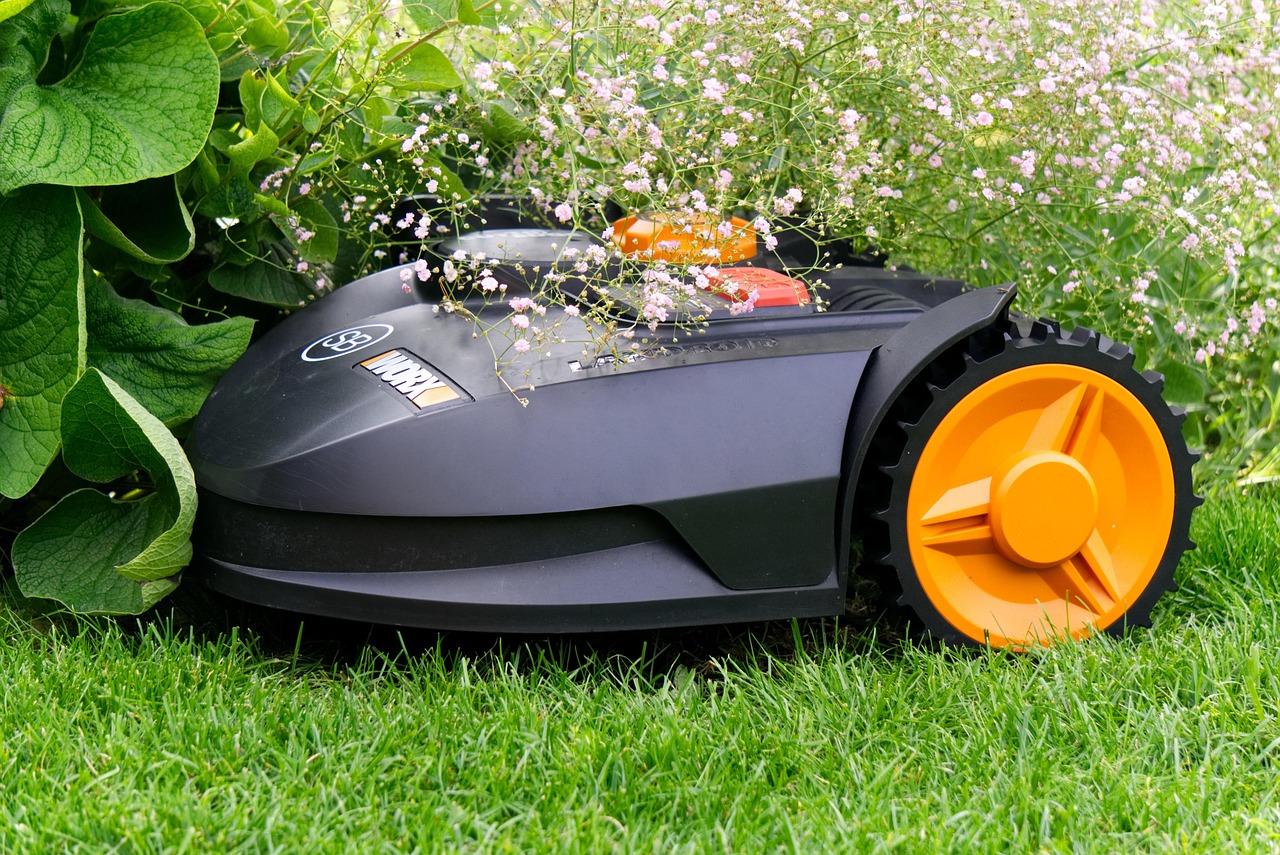
Keeping your blades sharp and clean is one of the best Lawn Mower Maintenance tips you can follow. Dull blades tear the grass rather than cutting it, which can lead to a brown, ragged lawn. Not to mention, it puts extra stress on your mower, which isn’t great for its lifespan.
Start by checking the blades regularly, especially during the mowing season. If they feel rough or don’t cut well, it’s time for a sharpen. You can use a sharpening file or take them to a professional. Just a few quick passes can make a big difference.
Cleaning the blades is just as crucial. Grass clippings and dirt can build up and affect performance. After each use, take a few minutes to wipe them down. If you notice heavy gunk, use a hose or a putty knife to scrape it off. This helps keep everything running smoothly and makes your mower more efficient.
Remember, regular blade maintenance is key in Lawn Mower Maintenance. It saves you time and money in the long run, helping your mower stay in tip-top shape. Don’t skip this step if you want a neat, healthy lawn. Trust me, your grass will thank you!
Change the Oil Regularly for Performance
Changing the oil in your lawn mower is one of those important tasks that often gets overlooked. Regular oil changes keep your mower running smoothly and help extend its lifespan. Think of your mower like a car; it needs clean oil to function properly and perform at its best.
So, how often should you change the oil? A good rule of thumb is to do it after every 50 hours of use. If you're mowing regularly during the growing season, that could mean about once a month. Just check your owner’s manual for the specific recommendation.
When it's time for an oil change, make sure to use the right type of oil. Most gas-powered mowers need either SAE 30 or 10W-30 oil. If your lawn mower takes synthetic oil, follow the guidelines in the manual. It really does make a difference in how well your mower runs.
Changing the oil isn't hard. Start by running the mower for a few minutes to warm up the engine; this helps the old oil drain out smoothly. Then, drain the old oil, replace the oil filter if your model has one, and refill with fresh oil. It's a straightforward task that boosts your lawn mower's performance and saves you money in the long run.
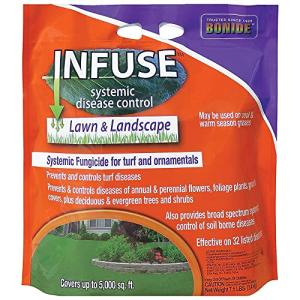
Bonide Infuse Lawn Disease Control Granules, 7.5 lb
Keep your lawn healthy and vibrant with this effective disease-fighting solution
Product information
$27.99
Product Review Score
4.81 out of 5 stars
227 reviewsProduct links
Check the Air Filter Often
Keeping an eye on your air filter is a key part of lawn mower maintenance. A clean air filter ensures your mower gets the right amount of air, which is super important for running smoothly. When the filter is clogged with dirt and grass, the engine works harder and may not perform at its best.
Check the air filter every couple of uses, especially if you’re mowing in dusty conditions. If it looks dirty, give it a good clean or swap it out for a new one. Cleaning is usually as easy as tapping it to remove the debris or washing it if you have a washable filter. Just make sure to let it dry completely before you put it back.
Replacing the air filter isn’t tough either. Most mowers have a simple mechanism for switching it out. Doing this step can really improve engine performance and fuel efficiency, saving you money in the long run.
If you notice your mower struggling to start or losing power, it might be time to check the air filter sooner rather than later. It’s a simple fix that can make a big difference, letting your mower breathe easy and keep your lawn looking its best.
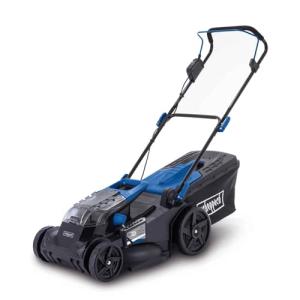
Scheppach BC-MP430-X 20V Cordless Lawn Mower
Enjoy hassle-free mowing with this lightweight and powerful cordless mower that makes lawn care a breeze
Product information
$595.03
Product Review Score
4.59 out of 5 stars
93 reviewsProduct links
Inspect Tires and Wheels for Damage
Checking your lawn mower tires and wheels is super important when it comes to lawn mower maintenance. It might seem like a small detail, but damaged tires can really affect how your mower performs. Plus, you don’t want to end up with uneven cuts or struggles going uphill.
Start by giving your tires a good look over. Check for any cracks, bald spots, or big punctures. If you spot any significant damage, it's usually best to replace the tire. Running on damaged tires is risky, and it can even lead to bigger issues down the road. Make sure the tread is in good shape too; that helps with grip on the grass.
Don’t forget to check the alignment of the wheels. If your mower pulls to one side, it can be due to uneven tire pressure or misaligned wheels. Grab a tire gauge to check the pressure and inflate them as needed. Properly inflated tires help with handling and efficiency, making mowing a breeze.
Lastly, make sure the wheels themselves are securely attached. Over time, they can loosen up and lead to wobbly movement. Tighten any loose bolts and give them another check during your regular lawn mower maintenance routine. Keeping everything in tip-top shape will save you time and trouble later on!